
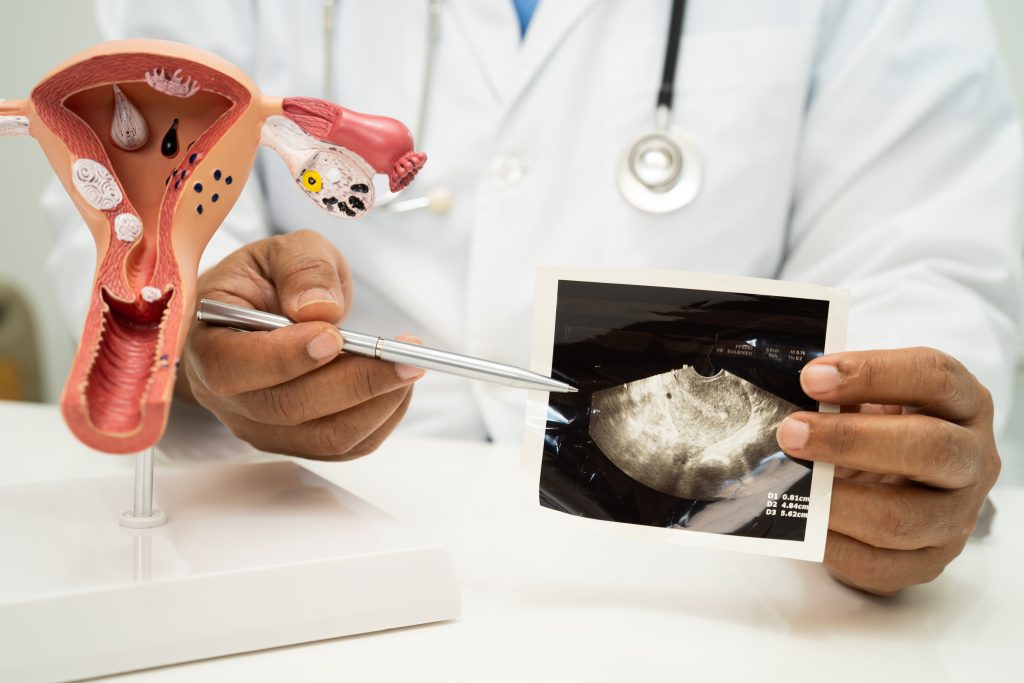
Cervical Polyps by Dr. Waheed Abdel Aal
Uterine polyps (or endometrial polyps) are a condition that can affect women of any age and may be associated with endometriosis. What should you be aware of? Here is the most important information regarding this unusual condition:
What are uterine polyps?
Uterine polyps are a condition in which excess soft tissue grows in the lining of the uterus. They are usually flat, and although they typically remain within the uterus and are small, in some cases, these growths may extend and protrude into the cervix.
Therefore, cervical polyps are generally benign tumors. They are soft, skin-like growths, scientifically known as polyps, resulting from an increase in the uterine wall. They multiply within the uterine cavity and may extend beyond the cervix.
In the vast majority of cases, uterine polyps are benign, except in rare instances. They can sometimes hinder pregnancy, so it is important to be aware of them early.
Causes of Cervical Polyps and Risk Factors
The exact cause of cervical polyps remains unknown. However, several factors can increase the risk of developing them. Some doctors believe that cervical polyps may be a precursor to cancer, but I, Dr. Waheed, have not yet encountered a case of malignant cervical polyp-related cancer.
Sudden changes in female hormone levels due to excessive use of fertility drugs and ovulation stimulants.
The use of medications that mimic the effects of estrogen.
Exposure to certain hormonal changes, as cervical polyps are particularly sensitive to estrogen.
Symptoms of Uterine Polyps
Abnormal vaginal discharge and sometimes chronic inflammation with a foul odor
Miscarriage and a feeling of heaviness in the abdomen
Problems with pregnancy and fertility
Heavy menstrual bleeding
Persistent pain in the stomach, uterus, and lower abdomen
Depression and obsessive-compulsive disorder
Female pattern baldness
Skin growths and urinary tract problems
Uterine Polyps and Infertility
Infertility is medically defined as the inability to conceive after a couple has tried for a full year without using contraception. The presence of uterine polyps can cause:
Implantation of the fertilized egg in the uterine lining.
Impaired sperm movement and prevented sperm from reaching the egg in the fallopian tube for fertilization, if the tissue has grown near the fallopian tube.
Cervical obstruction, thus preventing sperm from entering the uterus to meet the egg.
Induced miscarriage in pregnant women.
Uterine polyps are very similar to uterine fibroids, but with some key differences. Uterine fibroids result from abnormal growth of the uterine muscle, while polyps are simply growths in the uterine lining itself.
Both conditions can cause similar symptoms, such as pain, constipation, heavy menstrual bleeding, and urinary problems.
Kidney stones and urinary tract problems may also occur.
Treatment of Uterine Polyps
There are several methods used to manage and treat uterine polyps, the most important of which are:
Continuous monitoring and follow-up. If the growing tissue is small and asymptomatic, it may disappear without any medical intervention.
Surgical removal of the polyp, followed by sending a sample to the laboratory to rule out any possibility of cancerous tissue.
Medications, such as specific hormonal therapies.
The polyp may be removed and reappear.
I advise monitoring and follow-up because its removal may lead to increased activity of other polyps, potentially requiring a hysterectomy.
Treatment options include laparoscopy, curettage, or surgery.
Herbal Treatment for Cervical Polyps by Dr. Wahid Abdel-Aal:
Mastic: Boil thoroughly, let it cool until lukewarm, and use as a daily wash for two months. This will reduce polyp growth.
Grind myrrh thoroughly and mix it with peppermint or jasmine oil. Use as a vaginal suppository.
Grind arak twig (the same twig used for miswak), boil it, and use as a vaginal wash.
Eat plenty of fenugreek seeds and drink fenugreek tea.
Drink green tea regularly.
Boil flax seeds or psyllium seeds, fennel, and castor leaves together. Use the infusion as an internal application to the uterus.
Drink a decoction of chasteberry (Vitex agnus-castus).